fbpx

msb

Winter-Driving-Hazards

It’s Time to Prepare for Winter Driving Hazards

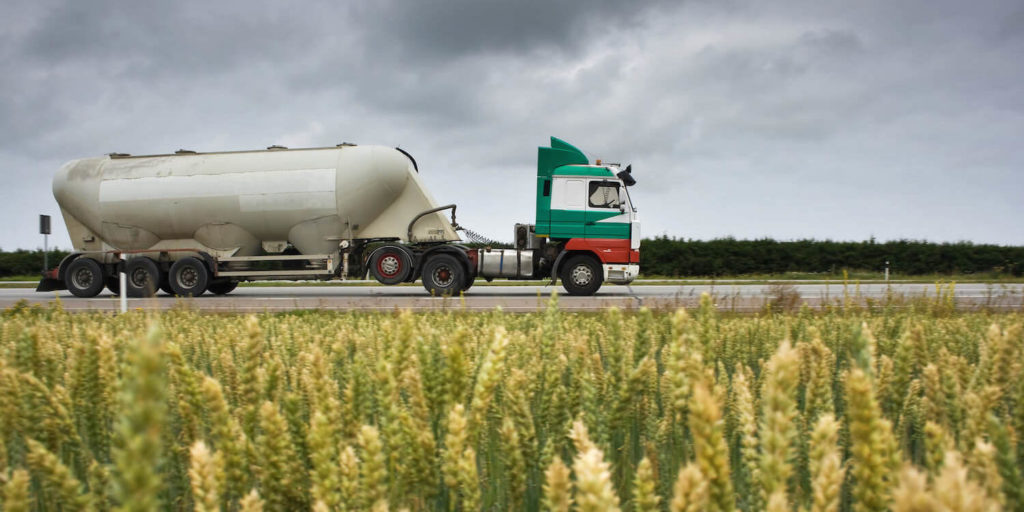
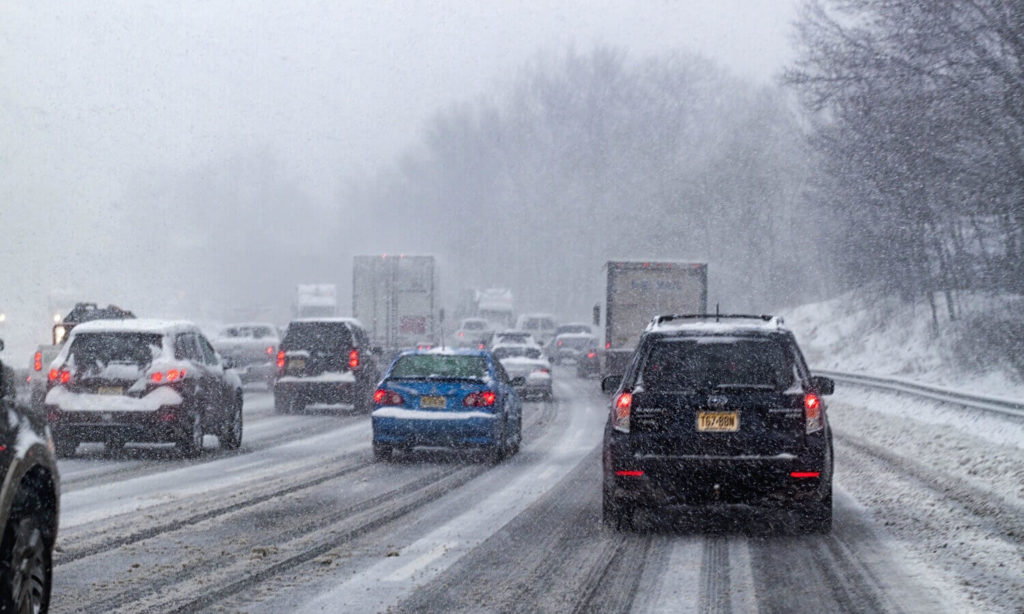
We are well into the fall season and while it may seem a bit early, it’s a great time to prepare yourself and your family for winter driving hazards. This is particularly true if you have a young driver in your family, or a new driver who’s never driven in winter weather. Take a few minutes to review these hazards with your family and discuss a plan to remain safe on the roads this winter. 1. Loss of traction in snow. If there’s snow on the roads, your vehicle will have less traction between the tires and the road surface. This is important to keep in mind while on the road but also while in your own driveway. Even pulling out of the driveway or parking space can be dangerous and lead to a crash if you don’t take extra precautions to compensate for the lack of traction. One way to compensate for this is to move your car back and forth a few times before parking. When attempting to move your vehicle again, clear a few feet of snow in front and behind. Packing down the snow under the vehicle and clearing the snow, can make it easier to gain the initial traction necessary to get your vehicle moving. Remind your loved ones to also keep a light foot on the accelerator to gain traction. Spinning the wheels is not always a good idea because it can cause the tires to create a rut that fills with ice and slush. You’ll also want to leave extra time and space for braking on slippery surfaces since tire traction is an important factor in being able to bring your vehicle to a stop. Many drivers operate four-wheel drive or all-wheel drive vehicles because they seem more sure-footed in the snow. It’s important to remember that these cars can create an illusion of safety. They are just as difficult to stop on a slippery road as a two-wheel drive vehicle. 2. Slides and Spins. Realizing that your vehicle is sliding or going into a spin is a scary feeling. Again, this is due to a loss of traction between your tires and the road surface. The best way to prevent a slide or spin is to slow down. However, if you find yourself in a spin or slide, there are three important things to remember – Take your foot off the accelerator; Don’t slam on the brakes; Gently steer into the direction you want the vehicle to go. Taking your foot off of the gas pedal helps stop the drive wheels from spinning and losing traction. Do not slam on your brakes because allowing the tires to turn freely will help regain traction. The current advice from AAA and others is that you should gently turn the steering wheel into the direction you want the vehicle to go. As you regain control of the vehicle, you can begin gently applying the brakes. Remember – don’t panic and don’t over correct. 3. Reduced visibility. Along with winter weather comes reduced visibility. When the visibility is poor you should allow yourself extra time and space to react to the road conditions and to other drivers. And remember, if the driving conditions make it more difficult for you to see, this also means it’s more difficult for other people to see you. Keep these things in mind and allow yourself more time to react. 4. Jackknifing. If you’ve ever seen a tractor trailer jackknifing, you know how dangerous it can be. It’s dangerous for the truck drivers, but also for the drivers around them. Jackknifing occurs when the truck driver applies the brakes and the trailer continues move in the direction of travel, but at an angle. This includes situations in which the trailer swings out into another lane or swings around at more severe angles. Keep in mind that poor weather conditions mean reduced visibility, poor traction, and delayed reaction times for all drivers and vehicle types. However, a tractor trailer can begin jackknifing in as few as 1.5 seconds – meaning, you need to be able to react very quickly to avoid being hit by the trailer, tractor, or both. Therefore, use caution and leave plenty of room when driving near tractor trailers to avoid becoming a victim of a jackknifing incident. Now that we’ve reviewed some of the major dangers of driving in winter weather, keep these tips handy to encourage safe winter driving. Apply just enough accelerator to get your vehicle moving. Slow down and maintain control of your speed. You may need to drive under the speed limit to remain safe in certain conditions. Avoid sudden turns to prevent slides and spins. Brake gently to avoid skids. Signal stops and changes in direction well in advance to give other drivers plenty of time to react. Don’t tailgate. We hope these tips help keep your family safe during winter driving. If you do face an injury from a vehicle crash, give us a call for a consultation. We’ll walk you through your options.

Winter In Kansas and Missouri Means More Slip and Fall Accidents

Here’s What You Can Do If You Fall The weather in Kansas and Missouri is notoriously unpredictable, especially in winter. The morning may be clear and sunny, but by lunchtime there can be snow and ice. Welcome to slip and fall conditions. Here’s a look at the risks: Snow on sidewalks may not get cleared for days. Sidewalks and parking lots remain icy. City crosswalks and municipal sidewalks are covered in ice, or worse, black ice. Retail stores and businesses fail to apply salt to icy and snow-laden areas. Pedestrians are hit with melting icicles and snow from roofs and roof overhangs. Snow melts then refreezes on streets and sidewalks. Snowplow accidents are common. Every winter these conditions lead to serious falls. Certain people are especially vulnerable to icy conditions such as the elderly, pregnant women, the injured and the disabled. Kansas and Missouri Law Regarding Property Owner Responsibilities Kansas and Missouri law requires a property owner to remove snow and ice within a reasonable amount of time and to do so in a reasonable way. There are two aspects to this. First and foremost, if the property owner is aware of the snow and ice, he is responsible to remove it. The law also provides that a property owner is responsible to remove the snow and ice if he or she should have known about it. Second, the property owner must remove the snow and ice in a way that doesn’t create new hazards. For example, piling snow or ice near a sidewalk can create dangerous conditions for pedestrians as the snow melts and refreezes. In both scenarios, the property owner can be held responsible for injuries. Compensation You can be compensated for lost wages, future wage losses, pain and suffering, and medical expenses related to an injury you suffer on snow or ice that was not properly cleared. Types of Injuries Covered Neck and back Strains, sprains, fractures, and broken bones Head injuries and concussions Hand and arm injuries Ankle, foot and leg injuries Arm and hand injuries Bruise and scars Spinal cord injuries Emotional and psychological injuries What To Do If You’ve Have An Accident Call for medical help. Inform the property owner of the accident. Take photographs of the accident scene. This is especially important with snow and ice falls. Weather conditions can quickly change and rapidly alter the scene of the accident. Without photos, it might be impossible to prove liability. Take photographs of your injuries, clothing and anything else that could be relevant. Ask for witness accounts. Be sure to get their names and contact information. Contact a legal team. Statutes of Limitations Don’t delay. Kansas and Missouri have strict statutes of limitations for personal injury claims. Call us before you contact your insurance company or the property owner. We’ll make sure your rights are protected and we’ll do everything we can to make sure you are compensated fairly.

Mechanics-Liens-In-Kansas-Construction

Mechanic’s Liens In Kansas Construction

Used With Care, Liens Are A Highly Effective Way To Get Paid Construction can be one of the most complex and challenging industries in business. There are innumerable variables, affected and compounded by unpredictable events, all of which affect your bottom line. But, if there’s one variable you need to minimize it is “No Pay.” Mechanic’s liens are a very effective tool in your legal toolbox to help you minimize the “No Pay” problem. There are few remedies more powerful in construction than a mechanic’s lien. A mechanic’s lien allows you to file in state court a claim against a property, for payment for the services you made upon that property. A mechanic’s lien is leverage because it clouds the title to the property, and title insurance companies, lenders and landlords alike all despise clouds on their property’s title. Title insurance will not insure a title to property encumbered by a lien, and lenders and landlords almost always have anti-lien provisions in their loans and leases that require the borrower and tenant to remove the lien. Then, if the leverage doesn’t result in getting paid, then you can file a lawsuit to foreclose on the lien, and to get paid from the net proceeds of the sale of the property, after all senior encumbrances and liens are satisfied (e.g. recorded mortgages filed before the lien attaches to the property). But, let’s look at what it takes to get to a foreclosure action. In Kansas, there are specific requirements that must be fulfilled. It’s crucial for you to file your mechanic’s lien in strict compliance with every procedural requirement, as well as per the case law that has been developed over many years. If the lien does not strictly comply with the statute and case law requirements, it will be found to be “fatally defective,” and of no effect. Each state can vary widely in their procedural requirements. Don’t assume one state is like another, and always check with a well qualified construction lawyer that regularly practices in the state where the property is located. Mechanic’s Liens In Kansas Q&A How long do I have to file a lien? — Contractors have four months from the last day that labor and/or materials were provided. Subcontractors have three months. If timely filed, an extension is available extending the deadlines to five months from the last day worked. The extensions must be filed within four months from the last day worked for a prime/general contractor, and within three months from the last day worked for subcontractor. How long is the lien effective? — You have one year to take foreclosure action from filing. If an action is not filed within that year, the lien becomes ineffective and unenforceable as a matter of law. Does Kansas require a notice before commencing work, and after its complete? — No. Does Kansas require, or does it provide for notice to property owners? — Only subcontractors who perform work on residential property occupied by the owner must provide the property owner a form warning of a possible lien. Otherwise, there are no notice requirements before a lien can be filed. As stated above, but worthy of repeating here, there are strict requirements to comply with Kansas lien laws, and there’s a lot at stake. Kansas courts strictly interpret and apply the lien statutes, and it is an area of law where a novice can easily error and file a defective, unenforceable lien. Your specific situation should be reviewed by a qualified construction attorney before your lien is filed. After all, you deserve to be paid.

Back-to-School-Safety-Tips

It’s That Time of Year: Back to School Safety Tips

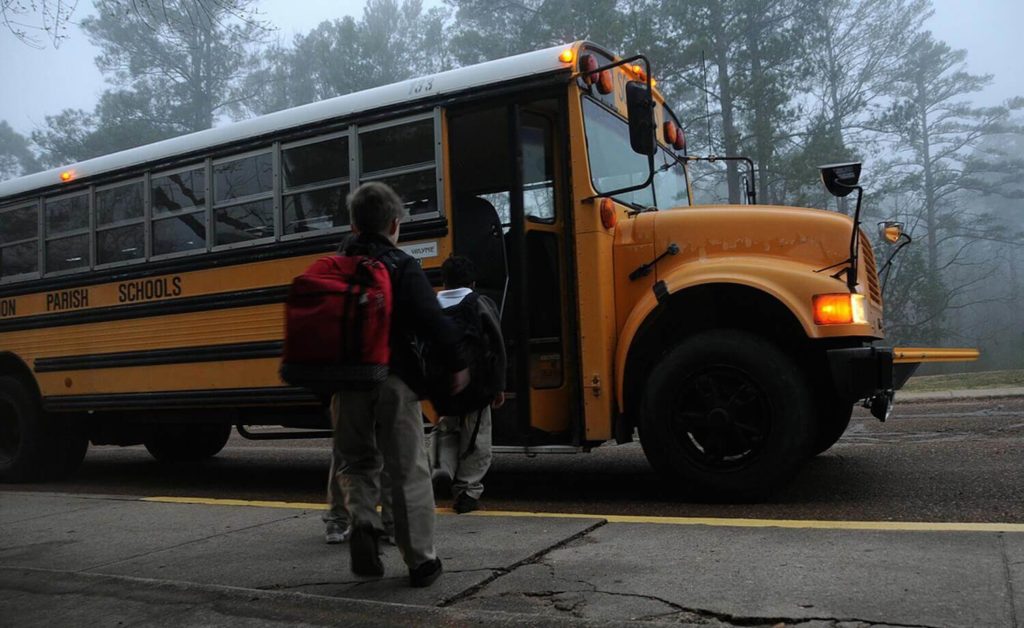
Summer is coming to a close. Kids will soon be back in school and Fall is around the corner! During this time of year, it’s a good idea to remind ourselves and our kids about back to school safety. Here are a few reminders to ensure that you have a happy and safe school year. Traffic Safety When school begins, there are many things that change. There will be a lot of new drivers on the road, driving themselves to school. There are also a lot more kids on the roads walking and riding their bikes. It is a time to be on high alert. Though you have heard it before it bears repeating, do not text or look at your phone while driving. You only have to take your eyes of the road for a moment to get into an accident or hit a pedestrian. Walking More kids and parents will be out walking during certain times of the day, going to and from school. If there are a group of children from your neighborhood, suggest they all walk as a group with one parent supervising. This is like a carpool arrangement, but on foot. Be sure to use crosswalks whenever possible. Texting while walking, by the way, is dangerous, too! Yes, it’s a thing. There are countless serious accidents that have occurred because someone was distracted and walked in front of a car. Cell phones have their place, just not while you are out and about. School Buses The National Highway Traffic Safety Administration (NHTSA) reports that school buses are considered the safest way for a child to get to school. They do however, have their own dangers. Statistics report than an average of 8 children a year are killed getting on and off the bus. Sadly, another 4 are killed in bus vs car accidents. Be sure to remind your children to stand back from the curb before the bus stops. After getting off the bus, children should only cross when the bus has it’s warning lights on. If you are driving near a bus, give the bus plenty of room, being aware that it will make frequent stops. Lastly, always stop behind a school bus when the lights are flashing. Biking to School Bikes can be a safe way to get to school. However, remind your child that they need to follow the regular rules of the road. This includes using hand signals and making a complete stop at stop signs and traffic lights. Be sure they wear a helmet and have bright, reflective clothing on so they can be seen by other drivers. We hope that you all have a safe and happy school year. Should an accident occur, or if you have a legal issue that you need to discuss. Please come in and speak to us.

Arbitration-Clause-In-Your-Construction-Contracts

Should You Include An Arbitration Clause In Your Construction Contracts?

It’s time to finalize the contract with your client. Do you include an arbitration clause? That might, or might not be, a good idea. Before you decide, consider the advantages and disadvantages. Don’t assume arbitration is the best way to minimize legal fees. Does Arbitration Really Cost Less? The short answer – it depends. A plaintiff filing fee can cost as little as $150, and defendant’s fee even less, if any at all. But, when it comes to commercial arbitration, the filing fee can hinge entirely on the value of the claim. The higher the claim, the higher the filing fee for the administration of the arbitration. Compare that to state or federal courts, where filing a claim is usually a fixed fee. An arbitration filing fee can actually be much higher, dramatically higher in fact, should the claim involve substantial monetary damages. Commercial arbitration requires at least one arbitrator, and sometimes a panel of arbitrators. Hourly rates for arbitrators can be as high as $500 per hour, regardless whether the arbitrator is conducting pre-hearing meetings, reviewing documents, or conducting the arbitration hearing. It varies by contract terms, but often both parties are responsible to pay these fees. Not so with court proceedings – judges and juries are not compensated for pretrial or courtroom time. Knowledge & Expertise While an arbitrator has been trained in construction law, you have no assurance that he or she would be more knowledgeable than a judge. And, while a jury is comprised of laymen who have to weigh a case on its merits, a panel of arbitrators could decide a case with equally confusing or unreasonable outcomes. Discovery – Good News & Bad News Arbitration purposefully limits the discovery phase. After all, the whole reason for arbitration is to reduce legal expenses and speed up the process of getting to a ruling. Court proceedings allow a much broader exploration of discovery, which allow both sides to gather evidence. Unfortunately, this phase can be like trench warfare, where both sides try to outspend, or outlast the other. Costs dramatically escalate. That said, while arbitration almost always puts tight limits on discovery, an arbitrator still has the authority to allow more. This depends on the case and its monetary claims. If the arbitrator allows a more expansive discovery phase, then costs will escalate. Save Time Arbitration can and should be faster than the court process. State courts are often backlogged for up to a year before a case goes to trial, and in federal court it may be two years. By contrast, an arbitration proceeding can be resolved in less than a year. What Happens After An Arbitration Judgment? Once a judgment is obtained, the parties are allowed to file the judgment with the state court to execute upon it. The court is obliged to confirm the arbitration award, and there are only very limited means to appeal an arbitration decision. The courts give great deference to the arbitrator, and unless the arbitrator grossly applied facts or the law, the arbitration decision will not be overturned. One clear advantage to a court proceeding over an arbitration proceeding is the court’s judgment is appealable. Summary There are compelling advantages to include an arbitration clause in construction contracts. If properly managed, the arbitration process can be advantageous in that the arbitrator may be someone with a background in construction, the timing of the case may be quicker, and discovery costs may be less. Note the use of the word “may” applies here, because all too often the case is not managed efficiently by the arbitrator, and in the end the costs to arbitrate may be as much, if not more than if the cse were tried in court. Obviously, one size does not fit all. Each contract needs careful analysis based on its unique context. It’s important to weigh the consequences. If it’s a complex, high value construction deal, you need to consult with counsel before finalizing it. Please contact us if you have questions. There’s a lot at stake. We look forward to assisting you.

Prevent-Drunk-Driving

3 Ways You Can Help Us Prevent Drunk Driving

We are committed to speaking out against drunk driving. That’s why we are big supporters of Mothers Against Drunk Driving (MADD). Because we help many clients who are victims of drunk driving crashes, we understand the tragic consequences of this careless act. Raising awareness involves all of us, and we believe in doing our part by sponsoring our own local “Walk Like MADD” team, and periodically reminding people about the dangers and consequences of drunk driving. Why now? Because driving under the influence has always been a big problem, but the National Highway Traffic Safety Administration reports that the months of July and August have particularly high rates of fatal alcohol related crashes. Working together we can help solve this problem by constantly raising awareness and taking steps to prevent it. Did you know that in 2016, over 1.1 million drivers were arrested in the U.S. for driving under the influence? While these impaired drivers pose a significant risk to all of us, what is more heartbreaking is that 10,497 people lost their lives in alcohol-impaired driving crashes. That’s an average of one alcohol-impaired driving fatality every 50 minutes. Shockingly, the average drunk driver has driven drunk over 80 times before his or her first arrest. Kansas has about 94 drunk driving deaths each year and over 1,100 injuries, while Missouri has about 244 deaths each year and over 2,800 injuries. Here’s how you can help. 1. Don’t do it. This may be obvious but it’s worth stating. If you plan to drink, also plan for a designated driver, call a taxi, use public transportation, or spend the night at a friend’s house or hotel. Make a plan ahead of time and be 100% committed to never driving under the influence. 2. Express your commitment. Tell your family and friends you feel strongly about this issue and stay committed. Setting an example for others will help raise awareness and make others think twice. 3. Don’t allow guests to drive home under the influence. Cooking out this summer? Be a great host. Make sure your guests have a designated driver or consider providing one for them. Or, consider providing taxis or ride-share services to your guests at your own expense. Set clear expectations and stick to them. Let your guests know that their safety and the safety of others is important to you. Driving under the influence is 100% preventable and we are asking you to join us in this effort. Drinking and driving can kill you, those you love, your friends, and others. It can also lead to serious injuries – spinal cord injuries, brain injuries, etc. Moreover, if you decide to drink and drive, it can cost you significant amounts of money in legal fees and compensation for those you’ve injured – and that’s on top the legal fees and costs associated with criminal charges.

Artificial-Intelligence-In-The-Construction-Industry

Artificial Intelligence In The Construction Industry On The Verge of Transformation

For a $10 trillion industry, technology remains a surprisingly small part of the construction business, especially when it comes to artificial intelligence (AI). Change is coming. According to a 2018 McKinsey & Company report, AI is gradually emerging in the construction industry with the possibility to upend the entire business. This is not just a solution in search of a problem. Because, it could dramatically help reduce cost and schedule overruns, lower job site injuries, and allow other entrants to pose significant challenges to established players. To be clear, AI isn’t going to show up as a one-size fits all solution in the near term. Adoption will take time. There are dozens of stakeholders that need to be part of an AI-based ecosystem. But, make no mistake, AI is coming to a construction firm near you. Already, parallel industries like manufacturing and transportation have begun to utilize AI. These industries – which have long-established relationships to construction – have discovered synergies and strengths by breaking down traditional barriers between each other. Today, they’re interacting more like ecosystems instead of separate silos. The construction industry will soon discover the same efficiencies. While the industry might be slow to adopt this model, the advantages are compelling enough to suggest that change is on the horizon. And, let’s not forget that well-established players are vulnerable to new entrants with radically different technologies and vision. Just look at the way Amazon grew from an online bookseller to the world’s largest retailer that now delivers groceries – and might soon move into the traditional pharmacy business. Where AI Could Be Applied In Construction – Planning and scheduling. – Predictive outcomes. – Supply chain optimization. – Robotics for prefab or modular construction. – Image recognition to improve safety. – Machine learning / deep learning algorithms could have a dramatic impact on improving quality control; claims management; maintaining talent; and maintaining a competitive edge in project bids by improving margins and cost analyses. ALICE Is Already Here Silicon Valley start-up, Alice Technologies, Inc. has created an AI-based assistant that focuses on tedious tasks like scheduling. Dubbed ALICE, it’s designed to alleviate the time-consuming number-crunching effort involved in project planning and management. Here’s how it works. A scheduler – along with subcontractors, architects, engineers, project managers – sets up the scope of the project with a rule set. It includes a range of variables like tasks, resources available, and calendars. Once all data and variables are established, ALICE creates scheduling scenarios within minutes – a task that has typically taken weeks. It also suggests the best scenarios and includes 4D and 3D models, Gantt charts and time-cost curves. Proof of ALICE’s effectiveness was demonstrated in a pilot project for Mortenson Construction. ALICE produced 22 strategies and cut the project schedule by 84 days. Other functions allow users to modify rule sets along the way in response to changes in the schedule, materials, and budget. For example, ALICE can suggest adding additional crews for a week or two and helping with crew utilization rates. Summary AI holds great promise for the construction industry. But, with the “new” comes disruption. Existing players could be upended by new, more nimble entrants with radically different approaches and technologies. And established players will have to adopt – and adapt – just to remain competitors in the game. Naturally, the legal implications of AI for the construction industry are just beginning. The legal field is closely watching these developments while developing legal strategies for its construction clients.

4-Reasons-to-Give-Truckers-Extra-Space-e1547108998417

4 Reasons to Give Truckers Extra Space

Whether you pass trucks on the highway during your daily commute or are going on a family road trip this summer, you should know that trucking crashes happen and they can result in serious injuries and even death. Driving around trucks is different than driving around other cars and we hope you’ll keep these tips in mind to avoid a crash. Give truckers more room than you would for a regular car. There are a few reasons for this. 1. Tire blowouts. Ever noticed some chunks of rubber on the highway? That’s from a truck’s tire blow out – and these can happen with little warning. Not only do you not want that rubber flying in your face, a blowout can cause a truck to begin swerving unexpectedly. 2. Wind. Some think that trucks, because they are so heavy, are unaffected by the wind around us. Ever feel the wind blow your car around a little bit? It happens to trucks too and may even be more exaggerated. Because trucks are larger vehicles, the wind can create a “sail” like effect which can be difficult for truck drivers to control – this could result in a truck drifting over into your lane. 3. Blind spots. Every car has blind spots. But, the number and size of blind spots in an eighteen-wheeler or other large truck are huge. Avoid truck blind spots. If you can’t see the truck driver in one of the truck driver’s mirrors, the truck driver probably can’t see you. If passing, pass quickly and on the left side of the truck. And remember, there may even be some blind spots in the front of a tractor trailer. 4. Wide turns. Because of their size, trucks make wide turns. Combine this with their blind spots and if you fail to give the truck enough space, you could unexpectedly get caught in a blind spot during a trucker’s turn. We never want any of those 4 things to happen to you and your family. So, remember, always give truckers extra space and have an escape route. If traffic requires you to drive in what may be a trucker’s blind spot, have a plan in case the truck makes a sudden movement in your direction. Or, slow down to get out of the blind spot. Know someone going on a trip soon? Share this with them to help them keep their family safe as well.

Summertime-Motorcycle-Safety-Tips

Summertime Motorcycle Safety Tips

When the weather turns warm, there is nothing better than getting out in the fresh air and enjoying it. If you are a motorcycle enthusiast, you are probably spending more time out on the road this summer. It is important to be aware that while the summer months are a great time for riding, motorcycle accidents increase in the summer months. The National Highway Traffic and Safety Administration reports that over the last six years, motorcycle accidents have drastically increased. The month of July is noted as the most dangerous month, with an 80% increase in injury accidents. Increased Risk of Accidents Why is there an increase in motorcycle accidents in the summer months? Experts contend that there are some logical reasons for this increase. The biggest reason is that there are more people on the roads. The kids are out of school, and families are taking summer vacations. This increased danger is compounded by the fact that there are more teenage drivers on the roads. Also, construction companies tend to schedule road construction projects over the summer when the weather is warmer. Lastly, there are several holidays that occur over summer, which means there are more people driving intoxicated. Because of this, it is important to keep these safety tips in mind, so you can enjoy a safe summer: Wear a helmet: While every state varies in terms of helmet laws, it is the most important thing you can do to prevent serious injury or even death. In the event of a motorcycle accident, your helmet is the only thing protecting you from the road. It’s that important. Wear proper riding gear: When the summer is beautiful, it is tempting to ride your motorcycle with lighter clothing and enjoy the sunshine. However, wearing protective clothing will save you from serious cuts and scrapes if you experience an accident. Protective gear can include long sleeves, long pants, and boots. Make sure that the fabric is sturdy and a bright color to increase your visibility. Get anti-lock brakes: Anti-lock brakes can prevent you from skidding out of control from a sudden stop. The Insurance Institute for Highway Safety says that anti-lock brakes can reduce a fatal highway crash by 37%. Bike maintenance: If you haven’t taken your motorcycle out in a while, now is a good time to give it a safety check. Consider these suggestions: Check your tires for wear and low pressure. Check all fluids. Be sure your lights are in working order. Make sure your horn works. Check your brakes. Watch the weather: Weather can be a little unpredictable in the summer. Bad weather can increase the likelihood of an accident. Be aware that an unexpected rainstorm can reduce visibility, make the roads slicker and increase the likelihood of hydroplaning. We hope that you keep these safety tips in mind and you are getting out there and enjoying your summer. If the unexpected happens and you are involved in a motorcycle accident, please contact us.

5-Myths-About-Spinal-Cord-Injuries

5 Myths About Spinal Cord Injuries

Spinal cord injuries are life changing. You may be coping with putting your life back together after an accident and wondering about your next steps. You may be wondering about what type of immediate medical help you need and what you or your loved one will require in the future. The spinal cord serves as an information highway for the rest of the body. As your brain sends messages, they travel down the spinal column and direct nerves and muscles to function. An interruption in this mechanism causes serious impairment. Injury to the spine causes a variety of symptoms, from pain, numbness and tingling, to limited movement or complete paralysis. Statistics report that 250,000 to 500,000 people suffer from spinal injuries every year. Unless this has happened to you, there may be a lot you don’t understand about spinal injuries. There is a lot of misinformation out there. Here are some common myths about spinal cord injuries: Spinal cord injuries mean the victim will never move again. It is important to remember that every injury is unique. Two people could have the very same injury and experience it differently. The mobility that a victim can regain after an injury is somewhat unique to the victim. Also, recovery has a lot to do with the quality of medical treatment you receive, a good assessment of your medical condition and a quality of your rehabilitation. The spinal cord must be completely severed to cause paralysis. This isn’t always true. A victim can lose motor function and sensation when the spinal cord is bruised, crushed or stretched. Spinal cord injuries are the same, always causing the same result. The spinal cord is a bundle of nerves that serve as an information highway of sorts. It allows messages from the brain to be transmitted to other parts of the body. If this information is obstructed in any way, movement and sensation are affected. There are generally two types of spinal cord injuries, complete and incomplete. With a complete injury, the victim will experience total paralysis below the site of the injury. With an incomplete injury the victim can have control and sensation of some, but not all body parts. Rehabilitation and treatment for a spinal injury ends when you leave the hospital. This isn’t true. When a patient is in the hospital, a team of therapists and doctors will create a treatment plan and set goals moving forward. Inpatient therapy isn’t complete when the patient leaves the hospital. In fact, the road to recovery may be very long, and a full recovery may not be possible. The cost of these therapies can be extremely costly. If you or a loved one has experienced a spinal cord injury that was caused by the negligence of another party, it is important to speak with us as soon as possible. We understand that these injuries are devastating physically and emotionally. We know that the treatments and therapies needed can be extremely expensive, and the victim is likely unable to work. Call us today for guidance and a free consultation.