fbpx

Personal Injury

Elvis

What Caused Elvis’s Death? What Part Did Minor Traumatic Brain Injury Play?

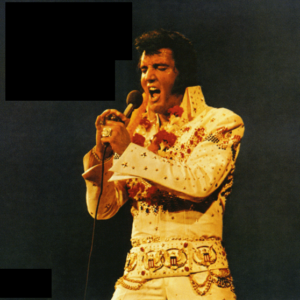
My family and I visited Memphis this summer. Since this year is the 40th anniversary of Elvis’s death, we made it a priority to tour Graceland. It was a first for all of us, and we had a great time. While touring Elvis’s private residence, I started wondering about the actual facts and circumstances of his death. So I googled it. What I found was very interesting and it caused me to ask the question: What really caused Elvis’s death? Over the past 40 years, there has been a lot of speculation about what led to Elvis’s death. Was it a simple heart attack? A drug overdose? It’s no secret that Elvis indulged in drug use, especially during the later years of his life. It’s also no secret that he had serious health problems for the last 10 years of his life. He suffered from hypertension, Cushing’s disease and high cholesterol, among other things. He was hospitalized and treated on multiple occasions for a variety of health issues. His history of health problems and drug use have made the conclusions of a drug overdose or a heart attack seemingly obvious for decades. But was there something the doctors were missing? Is there another piece to this puzzle? At least one doctor, Dr. Forest Tennant, who has extensively researched Elvis’s death and traumatic brain injuries (TBIs), thinks so. (insert link to article) As I learned while reading this article, standing in Elvis’s famed Jungle Room, Dr. Tennant concludes that head trauma suffered by Elvis was downplayed and could have been the root cause of his death. There are at least 4 documented instances of Elvis suffering head trauma as an adult. While some of those instances may seem minor, it’s important to note that even minor brain damage from head traumas can lead to significant consequences. In 1956, Elvis was knocked in the head during a fight at a gas station. Also in 1956, Elvis was struck in the head by a man at a hotel bar. In 1958, he was repeatedly knocked down throughout some rough roller skating “war games”; these were so rough that Elvis provided each player with an oxycodone/aspirin pill. The last, and most severe, head trauma occurred in 1967 when Elvis fell and hit his head hard on a porcelain bathtub and was knocked unconscious. After these incidents, as we now know is common with even mild traumatic brain injuries, Elvis’s behavior changed. He became erratic and irrational. He would refuse to bathe, take unknown pills, and complain of headaches, insomnia and pain all over. Elvis’s decline in health and increase in drug abuse may be attributed in large part to having suffered a TBI. Similarly, some of the health issues Elvis suffered, including infections and pain, may have stemmed from Autoimmune Inflammatory Disease that developed or was accelerated as a result of his head traumas. Autoimmune Inflammatory Disease occurs when brain tissue is leaked into the general blood circulation. This tissue is toxic to the rest of the body and when leaked, the antibodies start attacking normal tissue throughout the body. This can cause pain all over the body, including the spine, joints and muscles. It’s possible Elvis was using drugs to self-medicate and manage this pain. If Elvis or his family had known he was suffering from an autoimmune disease, brought on by traumatic brain injuries, is it possible he could have received treatment rather than relying on drugs to self-medicate? Could he have been saved? While we can’t change history, we can learn from the past and work to prevent others from suffering the same fate in the future by knowing the facts about TBI. TBIs can cause paranoia, reclusive behavior, poor hygiene, hostility and drug use. An Autoimmune Inflammatory Disease can cause headaches as well as pain throughout the body, and many patients are misdiagnosed with fibromyalgia. If you or a loved one has suffered head trauma, whether from a car crash or motorcycle wreck, or from a fall, be aware of the symptoms of traumatic brain injury and make sure to receive a full and complete workup and diagnosis.

Read More »
countryclubplaza

Ten Tips to Reduce Pedestrian Related Traffic Accidents

The weather in Kansas City is perfect this time of year. You can feel the first hints of summer around the corner but without the overbearing humidity that will inevitably hammer us in July and August. It’s only natural we take every opportunity to be outside; walking the dog, window shopping on the Plaza, or enjoying Crossroads First Fridays. As more of us take to the streets though, the chance of pedestrian related traffic accidents goes up. The likelihood of significant personal injury or death is much greater in motor vehicle crashes involving a pedestrian. The Missouri Department of Transportation recently reported 83 pedestrian fatalities in Missouri in 2016. This number represents nearly 10% of all traffic fatalities in Missouri for the year. Here are a few seemingly simple tips to help reduce pedestrian related traffic accidents. 1. Put your phone away. Don’t walk near roadways, in crosswalks, or in parking lots with your head down focused on texting or playing games. It’s much easier to get out of the way of a driver that doesn’t see you when you’re not engrossed in the latest cat video. 2. Stay in your vehicle. If your car becomes disabled on the roadway, stay inside it whenever possible. Wait for help to arrive. Drivers are more likely to see your car than they are to see you standing outside of it. If you must leave your vehicle, please remember to turn on your emergency flashers, and keep a constant lookout for oncoming traffic. 3. Look both ways before you cross the street. That good old rule you learned from your mom when you were five still applies. She may not be standing there to hold your hand as you cross, but hopefully she’s in your head reminding you of this little nugget. Don’t assume because the crosswalk signal flashes ok to go that traffic coming either direction has stopped for you to cross. 4. Make sure you’re visible. Just because you can see a vehicle, doesn’t mean the driver can see you. This is especially true at night. Walk in lighted, pedestrian designated areas whenever possible. Wear light colored or reflective clothing at night. Be aware of obstacles that may make it hard for a driver to see you such as bushes or parked cars. 5. Avoid alcohol consumption. Almost half of car crashes that involve a pedestrian casualty also involved alcohol consumption – a third of which, the alcohol consumption was on the part of the pedestrian. Remember that alcohol can impair reflexes and decision-making ability both behind the wheel as well as on your feet. 6. Use crosswalks. Even if you don’t see any cars coming, it’s best to wait to cross the street until you are at a crosswalk. Crosswalks are where drivers are most likely to expect to see pedestrians and are the safest place to enter the roadway. 7. Make eye contact. Even when you have the right of way, never assume the driver will allow you to go first. Making eye contact with the driver will ensure that they see you before you enter the roadway. 8. Walk on the sidewalk. If a sidewalk is unavailable, you should walk on the shoulder of the road and face traffic. 9. Beware of parked vehicles. Parked vehicles can be dangerous themselves. Ensure the car is parked and the driver is not about to drive. Do not enter roadways near parked vehicles – they can obstruct other drivers’ views of pedestrians. 10. Walk defensively. Always be aware of your surroundings and expect the unexpected. Use particular caution when walking across a driveway or alleyway where drivers may not be expecting to see pedestrians. As you get out to enjoy this beautiful weather, remember these 10 tips and share them with your friends and family to help us keep Kansas City safe for both drivers and pedestrians.

Read More »
careless-driving

Drunk Driving Causes 27 Deaths Each Day in the US

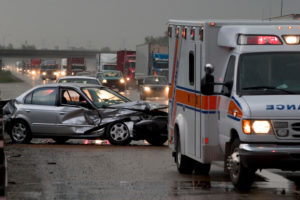
Each day drunk driving causes 27 deaths in the United States. That’s 27 deaths each day that are 100% preventable. Here’s how you can help prevent drunk driving, whether you are attending or hosting a party. If you’re hosting a party, you should… Offer non-alcoholic beverages; Serve plenty of food; and Arrange for transportation for guests – plan for a sober driver to be available, call a cab for guests, etc. If you’re attending a party, remember… Don’t drink, or arrange for a sober driver ahead of time; Don’t let others drive when impaired; remember, when talking with an impaired individual, you should speak slowly, remain non-confrontational, and offer alternatives to driving; and Report drunk driving to 911 as soon as possible. Drunk driving occurs all around us, not just at parties. In addition to preventing family, friends and acquaintances from driving drunk, you should report drunk driving on the road. Some of the signs of drunk driving include: Weaving, swerving or drifting over the center line; Driving on the wrong side of the road; Driving at a slow speed; Stopping for no reason; Erratic braking or accelerating; Driving without headlights at night; and Tailgating. If you see a drunk driver, you should… Stay a safe distance from the vehicle. Do not interact with the driver – do not attempt to pass the driver or signal the driver to pull over. Remember, this person may be impaired. Further distracting a drunk driver could result in a crash. Note the make, model and color of the car along with the license plate. Pull over, call 911 and report the location of the car and the description of the vehicle. You can also educate your social networks on the dangers and consequences of drunk driving. What are those dangers and consequences? Injuring yourself and others; Causing the death of yourself and others; Causing damage to property including cars, homes, and other property; and Criminal consequences including license suspension, jail time and fines. While some of these tips may seem obvious, they aren’t always comfortable to follow. Refusing to allow someone to drive impaired may cause them to become angry with you. You may worry about getting the driver in trouble by reporting drunk driving. The alternative, however, could be much worse.

Read More »
Winter-driving

Who is At Fault for a Car Accident in Bad Weather?

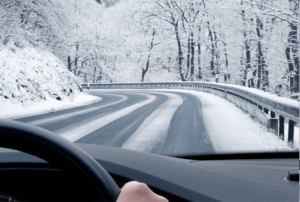
We all know Kansas City weather can turn on a dime. I was golfing a few weeks ago and scraping ice off the windshields last week. When winter weather strikes, it can catch Missouri drivers off guard. Black ice, rapidly changing road conditions, and limited visibility can contribute to drivers losing control and causing an accident, resulting in serious personal injury and even death. But who is really at fault for a car accident during snow or ice conditions? The nasty winter weather, or the driver operating the vehicle in that weather? Weather conditions are just one factor to consider in determining fault, and assessing your ability to recover, if you are injured in a car or truck accident during bad weather. Fault in Missouri is based on a finding of negligence against one or more drivers involved. Negligence regarding operation of a motor vehicle is defined as “the failure to use the highest degree of care”. R.S.Mo. § 304.012 – Every person operating a motor vehicle on the roads and highways of this state shall drive the vehicle in a careful and prudent manner and at a rate of speed so as not to endanger the property of another or the life or limb of any person and shall exercise the highest degree of care. Have you ever heard someone involved in a car accident during a snow or ice storm say, “There was nothing I could do! The roads were so slick!”? Despite what they may say or believe, slick roads are usually not the ultimate cause of an accident. Some other factors they may not be considering include: Was the driver caught in a snow or ice storm unexpectedly, or have the weather conditions actually existed all day? Was the driver following the car in front too closely for the conditions? Was the driver going too fast for the conditions on the roadway? Was the driver using his or her phone at the time of the accident? Are the driver’s vehicle and tires in good working condition for the winter weather roads? Although snow and ice are a factor to consider when determining fault, they are only one factor among many. An experienced personal injury lawyer will be able to ask the right questions to determine the relevant facts specific to your accident, and not let a negligent driver get away with blaming it on the weather.

Read More »
Texting-and-Driving-Causes-Car-Accidents-Period

Texting and Driving Causes Car Accidents. Period.

The National Safety Council has designated April “Distracted Driving Awareness Month.”  Texting and driving has become one of the biggest distractions to drivers on Kansas City roads, and a growing number of car accidents are being caused by it.  The NSC says it’s time to Take Back Your Drive. The National Highway Traffic Safety Association previously estimated distraction to be a factor in only about 14 percent of all teen driver crashes.  But a March 2015 study by researchers with the AAA Foundation for Traffic Safety revealed that distracted driving is a factor in almost six out of 10 moderate to severe car accidents involving teenage drivers.  That’s four times the rate cited in many previous estimates.  The study examined in-car videos that showed what teen drivers were doing in the seconds before a wreck, and the results reinforced suspicions of Kansas City area traffic safety officials who believe distracted-driving incidents involving teens is greatly underreported.  Researchers studied almost 1,700 videos, and reported that distraction figured into 58 percent of the car accidents observed.  According to the researchers, the videos will make you cringe as you watch young people stare at cellphones or talk with friends while their cars drift back and forth between lanes, dart off the road or come up suddenly on vehicles ahead of them. Missouri’s Stance on Texting & Driving Currently, Missouri has a ban on texting and driving only for novice drivers (Missouri defines “novice driver” as a driver age 21 and under). If you get caught texting and driving in Missouri and you’re under the age of 22, you could receive a fine, reports Arrive Alive.  Legislation in Missouri is pending that would extend the ban on texting and driving to drivers of all ages.   Missouri has multiple campaigns dedicated to safe driving including Arrive Alive, sponsored by the Missouri Coalition for Roadway Safety. Kansas’ Stance on Texting & Driving Between 2009 and 2014, an average of 92 died each year in Kansas due to distracted driving, according to KDOT statistics. That means distracted driving contributed to nearly one in four fatalities. As a result, Kansas state law now prohibits drivers from using a cellphone to text or send emails.  A proposed Kansas bill also would prohibit drivers from talking on a cellphone but still allow use of a hands-free device, but the bill’s chances appear slim. Texting and Car Accidents – Fast Facts In 2012, more than 420,000 people were injured in crashes involving a distracted driver.[1] The US Department of Transportation recently noted that the use of cell phones while driving plays a role in 1.6 million auto crashes each year, causing 500,000 injuries and 6,000 deaths. In a recent study released by Virginia Tech Transportation Institute it was found that truck drivers are 23 times more likely to be involved in trucking accidents when using cell phones for texting. The study also showed that the risk was considerably higher for those dialing or texting than it was for those simply speaking on their cell phones.  Driving at only 55mph, you can cover the distance of a football field in the time it takes to glance at your phone for under 5 seconds.  And we all know the devastation that can occur in “the blink of an eye,” let alone in a full “5-mississippi.” If texting and driving has become a habit, it could take some time to get used to just focusing on the task of driving. While behind the wheel, you’ll need to make a conscious choice to not pick up your phone. You can turn your phone off and stow it in a place that can’t be reached, or you can rely on self-control. Ask your friends and family to keep you accountable as well. Share your no-phone pledge with them and ask them to check-in on you every week. There are numerous third-party Apps available for use by parents and adults, including ones that block texting while driving (Cellcontrol, Drive Safe Mode, Live2Txt), and others that encourage you to be an all-around safer driver (SafeDrive, Drivemode, Drivesafe.ly)  Some cellphone companies are also trying to do their part to help, including the AT&T DriveMode app for iPhone and the Sprint Drive First app for Android devices. Taking a stand to drive distraction-free is well worth it. Not only will you help make the roads a safer place for everyone, you just might save your own life. [1] “Distracted Driving – Key Facts and Statistics.” Distraction.gov. National Highway Traffic Safety Administration. http://www.distraction.gov/content/get-the-facts/facts-and-statistics.html.

Read More »

Drunk Driving Accident – The Party’s Over

Nobody starts their night-out saying “I hope I hurt or kill somebody tonight in a drunk driving accident.” But if you or somebody you care about is choosing to drink and drive, these are the real consequences waiting on the other side of that decision.  Unfortunately, I’ve seen the devastating impact these consequences have had on our clients who have suffered personal injury, or the wrongful death of a loved one, at the hands of a drunk driver. Thankfully, many organizations are trying to do something about this epidemic.  The City of Overland Park, Kansas is taking one such step by having the Overland Park Police Department conduct a DUI Saturation Patrol on Thursday, May 5, 2016 from 10pm – 2am.  #dontdrinkanddrive In the recent past, organizations like The National Highway Traffic Safety Administration, MoDOT’s Traffic and Highway Safety Division, the Kansas Highway Patrol, the Missouri State Highway Patrol, and law enforcement from Missouri and Kansas have initiated programs like “Operation Impact” and “Choose Your Ride.”  Through these programs, these organizations illustrate the choices and consequences of drinking and driving to local students and residents through additional patrol cars, sobriety checkpoint vehicles, taxi cabs, and . . . a hearse on display.  They also choose the timing of their events to coincide with spring break for many universities and colleges, and when St. Patrick’s Day events and basketball tournaments are under way thus putting celebrating foremost on the minds of young drivers. One small way the attorneys and staff at MSB Law have chosen to help is by supporting Mothers Against Drunk Driving (MAAD) by participating in their “Walk Like MAAD” event on June 11, 2016.  Our goal is to raise $2,500 to go toward mission critical funds to put an end to the 100 percent preventable crime of drunk driving.  In addition to raising funds, Walk Like MADD also provides an outlet for those impacted by a drunk driving accident to channel their grief into hope and healing, and provides communities the chance to surround and support those hurting by taking action to prevent others from suffering because of drunk driving. If, like us, you want to take at least one small step to help stop this problem, you can start by: Making a donation now and help us reach our fundraising goal Walking alongside us and taking steps to stop this violent crime, or Spreading the word about Walk Like MADD using the hashtag #DrunkDrivingEndsHere. We hope you’ll join our efforts to put an end to drunk and impaired driving. Mothers Against Drunk Driving® (MADD) was founded by a mother whose daughter was killed by a drunk driver. MADD is the nation’s largest nonprofit working to protect families from drunk driving, drugged driving, and underage drinking. MADD also supports drunk and drugged driving victims and survivors at no charge through local MADD victim advocates and its 24-Hour Victim Helpline 1-877-MADD-HELP.

Read More »