Rachel Rice

Winter-Holidays-Bring-Increased-Driving-Danger

Winter Holidays Bring Increased Driving Danger

The winter holidays are right around the corner! From Thanksgiving through New Year’s, we all look forward to enjoying the holiday hustle and bustle, spending more time with friends and family and attending holiday parties. Amidst all these festivities, however, there is a dark side. During the holidays there is a marked increase in alcohol-related car wrecks. The statistics speak for themselves. Drunk driving is responsible for 40% of car collision deaths over the holiday season. According to the National Highway Traffic Safety Administration (NHTSA) on average, there are 36 fatalities per day from alcohol-related car wrecks. During the three-day Christmas holiday, however, there is an average of 45 per day and 54 per day over the New Year’s holiday. Experts contend that this spike in wrecks is due to several factors. During the holidays, there is both an increase in holiday travel and an increase in the consumption of alcohol. It is estimated that during Thanksgiving there are an estimated 43.5 million people on the road, and between Christmas and New Year’s Day, there are 103 million people on the road. Let’s face it, it is a festive time of year. People are traveling to see their families and friends and attending parties and other holiday events. Interestingly, 51% of drunk drivers said that they drank more during the holiday season than they did the rest of the year. So, the potential danger is there. Here are a few tips to keep you and your family safe during the holidays: Plan Ahead Being mindful of the potential danger of drinking and driving is half the battle. It is important to put a plan in place ahead of time, so you don’t catch yourself on the road having had one too many. Choose a Designated Driver This is not a new idea, but it is an effective one. If alcohol will be served at an event, make an agreement ahead of time to act as the designated driver and not drink or find someone else who will do so. In the alternative, bring extra money for a cab, or be sure you have your Uber account ready to use. Hosting a Party If you are hosting a party, it is important that you are sensitive to this issue. Be sure to serve plenty of food and offer non-alcoholic alternatives. Take your guests keys at the door or arrange for their transportation home. Don’t Add to the Problem on the Road There are other strategies that you can use to stay safe during holiday driving. It can be a good idea to leave a party early and avoid being out on the road late at night. Drunk driving accidents tend to happen later in the evening, where people have been drinking for many hours. Keep a Safe Distance If you are driving and notice a car driving erratically, slowing down and speeding up, or swerving in between lanes, assume they may have been drinking. Put a safe distance between you and the other car and call 911 to report them. Prepare to give the operator your location and if possible the other car’s driver’s license number. Holidays are a fun and festive time. Keep these tips in mind to keep you and your family safe. If a wreck should occur, call us as soon as possible. We are here to help.

Winter Holidays Bring Increased Driving Danger Read More »

Does-Your-Construction-Contract-Protect-You-From-Financial-Losses

Does Your Construction Contract Protect You From Financial Losses?

When it comes to the construction business, risks are high and profit margins are low, and there’s a very high risk you can lose money on a project. There are delays, cost overruns, and change orders, slow pay and the worse…not getting paid at all. That’s when a carefully crafted contract can make a difference. I’m not only referring to the boilerplate provisions like payment dates, invoice due dates and contract amount. You need an attorney who is well-versed in state law and who has a lot of experience in the many facets of construction. Sound legal advice like that adds significant value – and ensures you increase your chances of staying profitable on the project. Here are several areas where I believe you need to focus when negotiating up a construction contract. Change Orders Change orders can be easy, or hard. It depends on how they are set-up – and treated – during the project. But change order management starts with the contract. Be sure you understand and are ready and willing to abide by the change order terms in the contract. In most cases, major disagreements about change orders can be avoided upfront so long as the language in the contract is clear. There are many potential contract negotiation pitfalls, but here’s one simple one to address…make sure you don’t agree to unreasonable notification requirements subject to waiver if you fail to provide the notice.  A clause that requires you to provide written notification for all changes in a very short, unfair time should be avoided. Be sure to examine change orders carefully. The one area I see day in and out is the failure to address time extensions on change orders. It is very common to agree to a price on a change order, while not addressing the additional time required due to the change. Remember, as you negotiate change order clauses in contracts, and as you administer change orders during the project construction, be sure to think about and address costs, time and profit. The Digital Age is Changing The Game With mobile platforms and electronic communications pervading every area of business, there’s been a big change in the way approvals and other client interactions are handled. Have you heard of the Uniform Electronic Transactions Act (UETA)? It involves electronic signatures and how other changes are approved. For instance, under UETA, which has been adopted in some form in most states, an email from a client requesting and authorizing a change order can be considered an electronically signed agreement. The UETA provides detailed and wide latitude to permit a change order to be set forth in digital signature formats. Even if a contract stipulates that all change orders must be in writing, if a client deviates from that and issues verbal change orders, the “in writing” requirements will often be waived by a jury or judge. Contingent / Conditional Payment Clauses These are the meat and bones of many construction contracts. The “Pay When Paid / Pay If Paid” clauses allow a general contractor to withhold payments from subcontractors until he receives payment from the client. If you’re a sub, your situation can be made quite difficult if you’ve signed such a contract. A general contractor can invoke this clause and can hold payment or even refuse to pay because the client hasn’t paid him. It is a very rare contract that does not contain a pay if paid clause; be sure to consider the consequences, and give great consideration to whom you are agreeing to work for, their reputation in the business for fairness, etc. Retainage Retainage is a way of life. Do what you can to minimize or eliminate it if possible. Try to get an early release of retainage clause. The maximum amount of retainage allowed varies from state to state, and from contract to contract. But, it’s also negotiable. Some early-in contractors like excavators are sometimes delayed payment up to a year, or until the entire project is 100 percent complete. This can put significant financial pressure on these contractors, and also undue pressure to file mechanic’s liens to protect their interests. Times are changing, and Federal agencies and even private firms are reducing the retainage amounts while paying early-in contractors sooner than later. It is in your best interest to consult with legal counsel early in the contract to get the best terms possible. It’s always preferable to say “my lawyer” asked for this or that, keeping you from being the “hard nose” in the negotiations. Please contact us about your contract prior to signing it. The financial risks could make or break your business.

Does Your Construction Contract Protect You From Financial Losses? Read More »

Concussion

Are Concussions Considered a Traumatic Brain Injury?

These days, there seems to be confusion surrounding the terms “concussion” and “traumatic brain injury.” Often, we hear about concussions that occur because of a car wreck, slip and fall or sports-related injury. A concussion is the most common type of traumatic brain injury. What’s the Difference? Concussions are quite common. It is reported that there are 3.8 million concussions occur in the U.S. annually. Even though concussions are a type of TBI, not all TBIs are concussions. The term TBI is used to describe the mechanics of an injury. Trauma indicates there has been in an injury to the brain by an outside source. A TBI can be characterized as mild, moderate or severe. A concussion is considered a mild TBI. But, when it comes to traumatic brain injuries the term “mild” can be misleading. A mild TBI can cause permanent, life-altering changes to the brain. This is why proper diagnosis and treatment is essential. Proper treatment may be the difference between having an injury that resolves after a few weeks or months, or one that is permanent. Concussions are challenging to diagnose. The most common way a concussion occurs is when the victim experiences a blow to the head or rapid acceleration or deceleration of the head (for ex. shaken baby syndrome or an auto collision). The head trauma may or may not be followed by a brief loss of consciousness. There are countless ways in which these injuries can arise. This is why it is so important to have a physician evaluate your symptoms. Common symptoms can include: Any loss of consciousness; Confusion; Changes in vision; Changes in time perception; Memory loss; Nausea and/or vomiting; Drowsiness; Headache; Difficulty sleeping; Mood or behavior changes. If you have been injured, it is important to be checked out by a physician. Keep in mind that a concussion can occur in ways you wouldn’t otherwise expect, for example, in the case of whiplash. While a whiplash victim may not have necessarily received a blow to the head, a concussion could still be possible from the rapid acceleration and deceleration of the head. It is also important to note that even when you are checked out by a doctor, a concussion can be difficult to diagnose. You may have a concussion even though you didn’t lose consciousness. Or the concussion may not be readily apparent from a CT scan. It is important however to go through these steps to ensure that you receive the appropriate treatment. If the injury is a concussion, in many cases, the injury will heal within a few months to a few years. It is important to note however, that in some cases, a concussion can cause long- lasting  or even permanent problems. If you have been in a wreck and have suffered a head injury, get medical attention right away. Then, call us for guidance. If your injury was caused by the negligence of another party we may be able to help you obtain reimbursement for your medical costs, harms, losses, and lost wages.

Are Concussions Considered a Traumatic Brain Injury? Read More »

A-Change-of-Weather-Poses-Increased-Driving-Risks

A Change of Weather Poses Increased Driving Risks

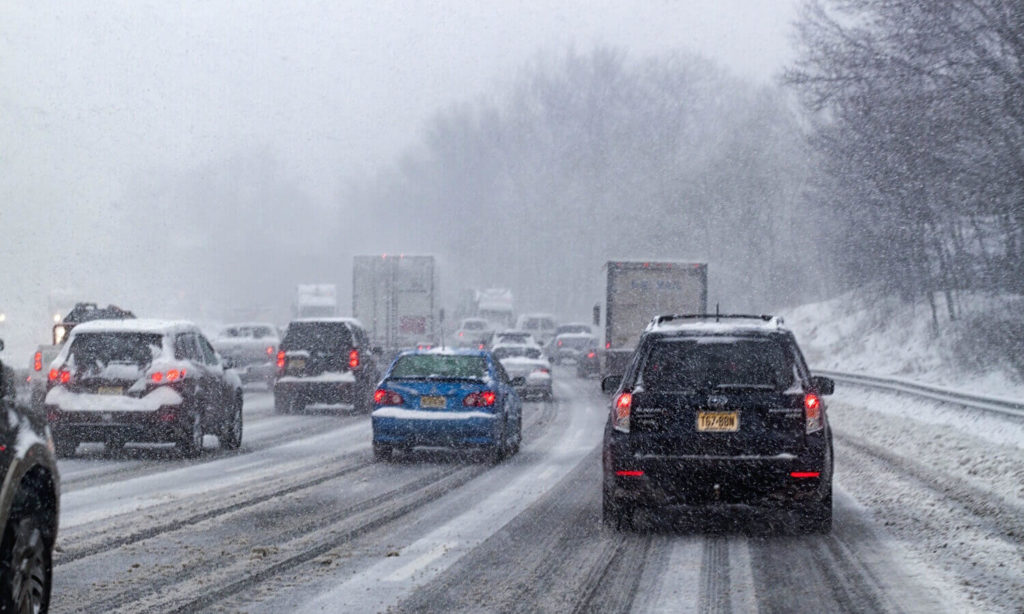
The kids are back in school, and summer is behind us. There may be a little chill in the air, and people are getting ready for apple cider, sweaters, pumpkin pie and all the fun that this time of year brings. It is important to keep in mind that as the weather changes, so do our driving risks. The truth is, a change in weather directly affects driving safety. This is particularly true between Fall and early Spring. Statistics report that in the U.S., there are approximately 5,748,000 car accidents per year. Out of these 1,259,000 are caused by weather conditions. Any type of adverse weather condition can affect your normal driving. Conditions such as rain, fog, ice and snow can limit visibility as well as change the way your car will react. Experts say that the common denominator in these accidents is that people drive too fast for the current road conditions they are experiencing. Some drivers don’t realize that the posted speed limit is only for optimal driving conditions. If the roads are wet or there is ice on the road, it is important to drive defensively and to reduce your speed accordingly. The law requires you to drive at a speed that is safe for the current driving conditions. Being armed with this knowledge is important. Here are some additional safety tips to keep you and your family safe: Never warm up your vehicle in an enclosed space. Make sure your tires are in good condition and properly inflated. Don’t use cruise control when driving on wet or slippery roads. Before heading out, check current weather reports. Always drive with at least a half tank of gas. Be mindful of driving through fallen leaves, which can be as slippery as ice. Slow down over shady spots because black ice may be present. Watch for animals on the road. Some animals (such as deer), become more active in the fall. If you are driving in foggy conditions, use your low beam lights. High beams will reduce your vision. The first 10 minutes of rainfall is the most dangerous, due to accumulated oil on the road. Reduce your speed accordingly. Be aware that your stopping time will be longer on wet or slippery roads. Allow more time to come to a complete stop. With the change of seasons, it’s always a good idea to get your car checked out thoroughly. Check your window wiper blades, brakes and tires. Make sure your headlights and signal lights are in proper working order as well. Have an emergency kit ready should you get stranded on the side of the road. Should you suffer an accident due the negligence of another, please come and speak to us. Know that if your accident was caused by negligence, you have a right to be compensated for your medical expenses, lost wages and pain and suffering. It is important to not delay. The earlier we speak to you the earlier we can begin gathering evidence and creating an action plan for you.

A Change of Weather Poses Increased Driving Risks Read More »

Winter-Driving-Hazards

It’s Time to Prepare for Winter Driving Hazards

We are well into the fall season and while it may seem a bit early, it’s a great time to prepare yourself and your family for winter driving hazards. This is particularly true if you have a young driver in your family, or a new driver who’s never driven in winter weather. Take a few minutes to review these hazards with your family and discuss a plan to remain safe on the roads this winter. 1. Loss of traction in snow. If there’s snow on the roads, your vehicle will have less traction between the tires and the road surface. This is important to keep in mind while on the road but also while in your own driveway. Even pulling out of the driveway or parking space can be dangerous and lead to a crash if you don’t take extra precautions to compensate for the lack of traction. One way to compensate for this is to move your car back and forth a few times before parking. When attempting to move your vehicle again, clear a few feet of snow in front and behind. Packing down the snow under the vehicle and clearing the snow, can make it easier to gain the initial traction necessary to get your vehicle moving. Remind your loved ones to also keep a light foot on the accelerator to gain traction. Spinning the wheels is not always a good idea because it can cause the tires to create a rut that fills with ice and slush. You’ll also want to leave extra time and space for braking on slippery surfaces since tire traction is an important factor in being able to bring your vehicle to a stop. Many drivers operate four-wheel drive or all-wheel drive vehicles because they seem more sure-footed in the snow. It’s important to remember that these cars can create an illusion of safety. They are just as difficult to stop on a slippery road as a two-wheel drive vehicle. 2. Slides and Spins. Realizing that your vehicle is sliding or going into a spin is a scary feeling. Again, this is due to a loss of traction between your tires and the road surface. The best way to prevent a slide or spin is to slow down. However, if you find yourself in a spin or slide, there are three important things to remember – Take your foot off the accelerator; Don’t slam on the brakes; Gently steer into the direction you want the vehicle to go. Taking your foot off of the gas pedal helps stop the drive wheels from spinning and losing traction. Do not slam on your brakes because allowing the tires to turn freely will help regain traction. The current advice from AAA and others is that you should gently turn the steering wheel into the direction you want the vehicle to go. As you regain control of the vehicle, you can begin gently applying the brakes. Remember – don’t panic and don’t over correct. 3. Reduced visibility. Along with winter weather comes reduced visibility. When the visibility is poor you should allow yourself extra time and space to react to the road conditions and to other drivers. And remember, if the driving conditions make it more difficult for you to see, this also means it’s more difficult for other people to see you. Keep these things in mind and allow yourself more time to react. 4. Jackknifing. If you’ve ever seen a tractor trailer jackknifing, you know how dangerous it can be. It’s dangerous for the truck drivers, but also for the drivers around them. Jackknifing occurs when the truck driver applies the brakes and the trailer continues move in the direction of travel, but at an angle. This includes situations in which the trailer swings out into another lane or swings around at more severe angles. Keep in mind that poor weather conditions mean reduced visibility, poor traction, and delayed reaction times for all drivers and vehicle types. However, a tractor trailer can begin jackknifing in as few as 1.5 seconds – meaning, you need to be able to react very quickly to avoid being hit by the trailer, tractor, or both. Therefore, use caution and leave plenty of room when driving near tractor trailers to avoid becoming a victim of a jackknifing incident. Now that we’ve reviewed some of the major dangers of driving in winter weather, keep these tips handy to encourage safe winter driving. Apply just enough accelerator to get your vehicle moving. Slow down and maintain control of your speed. You may need to drive under the speed limit to remain safe in certain conditions. Avoid sudden turns to prevent slides and spins. Brake gently to avoid skids. Signal stops and changes in direction well in advance to give other drivers plenty of time to react. Don’t tailgate. We hope these tips help keep your family safe during winter driving. If you do face an injury from a vehicle crash, give us a call for a consultation. We’ll walk you through your options.

It’s Time to Prepare for Winter Driving Hazards Read More »

Winter In Kansas and Missouri Means More Slip and Fall Accidents

Here’s What You Can Do If You Fall The weather in Kansas and Missouri is notoriously unpredictable, especially in winter. The morning may be clear and sunny, but by lunchtime there can be snow and ice. Welcome to slip and fall conditions. Here’s a look at the risks: Snow on sidewalks may not get cleared for days. Sidewalks and parking lots remain icy. City crosswalks and municipal sidewalks are covered in ice, or worse, black ice. Retail stores and businesses fail to apply salt to icy and snow-laden areas. Pedestrians are hit with melting icicles and snow from roofs and roof overhangs. Snow melts then refreezes on streets and sidewalks. Snowplow accidents are common. Every winter these conditions lead to serious falls. Certain people are especially vulnerable to icy conditions such as the elderly, pregnant women, the injured and the disabled. Kansas and Missouri Law Regarding Property Owner Responsibilities Kansas and Missouri law requires a property owner to remove snow and ice within a reasonable amount of time and to do so in a reasonable way. There are two aspects to this. First and foremost, if the property owner is aware of the snow and ice, he is responsible to remove it. The law also provides that a property owner is responsible to remove the snow and ice if he or she should have known about it. Second, the property owner must remove the snow and ice in a way that doesn’t create new hazards. For example, piling snow or ice near a sidewalk can create dangerous conditions for pedestrians as the snow melts and refreezes. In both scenarios, the property owner can be held responsible for injuries. Compensation You can be compensated for lost wages, future wage losses, pain and suffering, and medical expenses related to an injury you suffer on snow or ice that was not properly cleared. Types of Injuries Covered Neck and back Strains, sprains, fractures, and broken bones Head injuries and concussions Hand and arm injuries Ankle, foot and leg injuries Arm and hand injuries Bruise and scars Spinal cord injuries Emotional and psychological injuries What To Do If You’ve Have An Accident Call for medical help. Inform the property owner of the accident. Take photographs of the accident scene. This is especially important with snow and ice falls. Weather conditions can quickly change and rapidly alter the scene of the accident. Without photos, it might be impossible to prove liability. Take photographs of your injuries, clothing and anything else that could be relevant. Ask for witness accounts. Be sure to get their names and contact information. Contact a legal team. Statutes of Limitations Don’t delay. Kansas and Missouri have strict statutes of limitations for personal injury claims. Call us before you contact your insurance company or the property owner. We’ll make sure your rights are protected and we’ll do everything we can to make sure you are compensated fairly.

Winter In Kansas and Missouri Means More Slip and Fall Accidents Read More »

Mechanics-Liens-In-Kansas-Construction

Mechanic’s Liens In Kansas Construction

Used With Care, Liens Are A Highly Effective Way To Get Paid Construction can be one of the most complex and challenging industries in business. There are innumerable variables, affected and compounded by unpredictable events, all of which affect your bottom line. But, if there’s one variable you need to minimize it is “No Pay.” Mechanic’s liens are a very effective tool in your legal toolbox to help you minimize the “No Pay” problem. There are few remedies more powerful in construction than a mechanic’s lien. A mechanic’s lien allows you to file in state court a claim against a property, for payment for the services you made upon that property. A mechanic’s lien is leverage because it clouds the title to the property, and title insurance companies, lenders and landlords alike all despise clouds on their property’s title. Title insurance will not insure a title to property encumbered by a lien, and lenders and landlords almost always have anti-lien provisions in their loans and leases that require the borrower and tenant to remove the lien. Then, if the leverage doesn’t result in getting paid, then you can file a lawsuit to foreclose on the lien, and to get paid from the net proceeds of the sale of the property, after all senior encumbrances and liens are satisfied (e.g. recorded mortgages filed before the lien attaches to the property). But, let’s look at what it takes to get to a foreclosure action. In Kansas, there are specific requirements that must be fulfilled. It’s crucial for you to file your mechanic’s lien in strict compliance with every procedural requirement, as well as per the case law that has been developed over many years. If the lien does not strictly comply with the statute and case law requirements, it will be found to be “fatally defective,” and of no effect. Each state can vary widely in their procedural requirements. Don’t assume one state is like another, and always check with a well qualified construction lawyer that regularly practices in the state where the property is located. Mechanic’s Liens In Kansas Q&A How long do I have to file a lien? — Contractors have four months from the last day that labor and/or materials were provided. Subcontractors have three months. If timely filed, an extension is available extending the deadlines to five months from the last day worked. The extensions must be filed within four months from the last day worked for a prime/general contractor, and within three months from the last day worked for subcontractor. How long is the lien effective? — You have one year to take foreclosure action from filing. If an action is not filed within that year, the lien becomes ineffective and unenforceable as a matter of law. Does Kansas require a notice before commencing work, and after its complete? — No. Does Kansas require, or does it provide for notice to property owners? — Only subcontractors who perform work on residential property occupied by the owner must provide the property owner a form warning of a possible lien. Otherwise, there are no notice requirements before a lien can be filed. As stated above, but worthy of repeating here, there are strict requirements to comply with Kansas lien laws, and there’s a lot at stake. Kansas courts strictly interpret and apply the lien statutes, and it is an area of law where a novice can easily error and file a defective, unenforceable lien. Your specific situation should be reviewed by a qualified construction attorney before your lien is filed. After all, you deserve to be paid.

Mechanic’s Liens In Kansas Construction Read More »

Back-to-School-Safety-Tips

It’s That Time of Year: Back to School Safety Tips

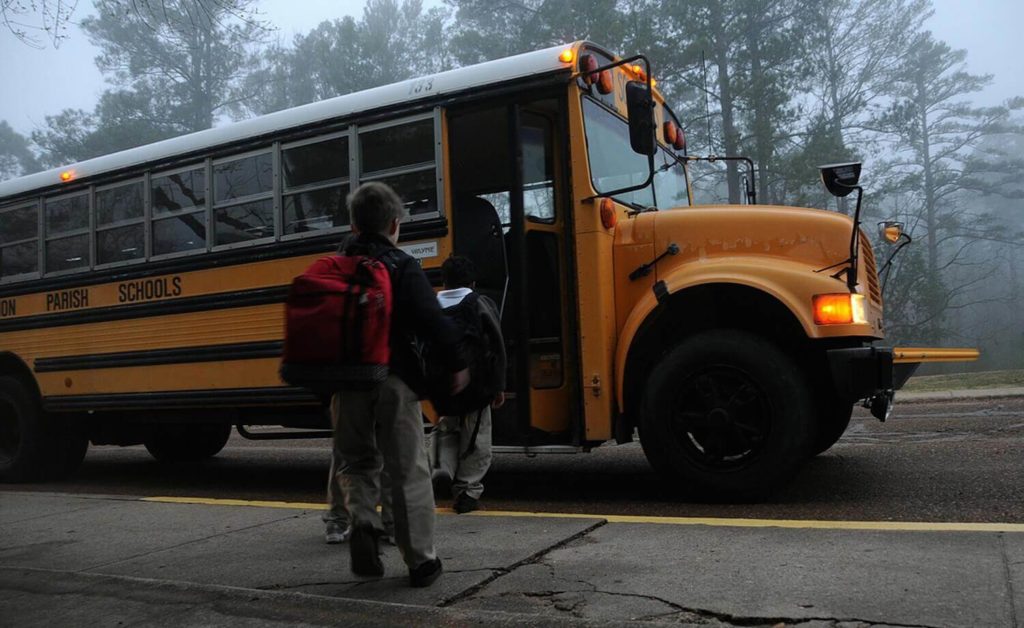
Summer is coming to a close. Kids will soon be back in school and Fall is around the corner! During this time of year, it’s a good idea to remind ourselves and our kids about back to school safety. Here are a few reminders to ensure that you have a happy and safe school year. Traffic Safety When school begins, there are many things that change. There will be a lot of new drivers on the road, driving themselves to school. There are also a lot more kids on the roads walking and riding their bikes. It is a time to be on high alert. Though you have heard it before it bears repeating, do not text or look at your phone while driving. You only have to take your eyes of the road for a moment to get into an accident or hit a pedestrian. Walking More kids and parents will be out walking during certain times of the day, going to and from school. If there are a group of children from your neighborhood, suggest they all walk as a group with one parent supervising. This is like a carpool arrangement, but on foot. Be sure to use crosswalks whenever possible. Texting while walking, by the way, is dangerous, too! Yes, it’s a thing. There are countless serious accidents that have occurred because someone was distracted and walked in front of a car. Cell phones have their place, just not while you are out and about. School Buses The National Highway Traffic Safety Administration (NHTSA) reports that school buses are considered the safest way for a child to get to school. They do however, have their own dangers. Statistics report than an average of 8 children a year are killed getting on and off the bus. Sadly, another 4 are killed in bus vs car accidents. Be sure to remind your children to stand back from the curb before the bus stops. After getting off the bus, children should only cross when the bus has it’s warning lights on. If you are driving near a bus, give the bus plenty of room, being aware that it will make frequent stops. Lastly, always stop behind a school bus when the lights are flashing. Biking to School Bikes can be a safe way to get to school. However, remind your child that they need to follow the regular rules of the road. This includes using hand signals and making a complete stop at stop signs and traffic lights. Be sure they wear a helmet and have bright, reflective clothing on so they can be seen by other drivers. We hope that you all have a safe and happy school year. Should an accident occur, or if you have a legal issue that you need to discuss. Please come in and speak to us.

It’s That Time of Year: Back to School Safety Tips Read More »

Arbitration-Clause-In-Your-Construction-Contracts

Should You Include An Arbitration Clause In Your Construction Contracts?

It’s time to finalize the contract with your client. Do you include an arbitration clause? That might, or might not be, a good idea. Before you decide, consider the advantages and disadvantages. Don’t assume arbitration is the best way to minimize legal fees. Does Arbitration Really Cost Less? The short answer – it depends. A plaintiff filing fee can cost as little as $150, and defendant’s fee even less, if any at all. But, when it comes to commercial arbitration, the filing fee can hinge entirely on the value of the claim. The higher the claim, the higher the filing fee for the administration of the arbitration. Compare that to state or federal courts, where filing a claim is usually a fixed fee. An arbitration filing fee can actually be much higher, dramatically higher in fact, should the claim involve substantial monetary damages. Commercial arbitration requires at least one arbitrator, and sometimes a panel of arbitrators. Hourly rates for arbitrators can be as high as $500 per hour, regardless whether the arbitrator is conducting pre-hearing meetings, reviewing documents, or conducting the arbitration hearing. It varies by contract terms, but often both parties are responsible to pay these fees. Not so with court proceedings – judges and juries are not compensated for pretrial or courtroom time. Knowledge & Expertise While an arbitrator has been trained in construction law, you have no assurance that he or she would be more knowledgeable than a judge. And, while a jury is comprised of laymen who have to weigh a case on its merits, a panel of arbitrators could decide a case with equally confusing or unreasonable outcomes. Discovery – Good News & Bad News Arbitration purposefully limits the discovery phase. After all, the whole reason for arbitration is to reduce legal expenses and speed up the process of getting to a ruling. Court proceedings allow a much broader exploration of discovery, which allow both sides to gather evidence. Unfortunately, this phase can be like trench warfare, where both sides try to outspend, or outlast the other. Costs dramatically escalate. That said, while arbitration almost always puts tight limits on discovery, an arbitrator still has the authority to allow more. This depends on the case and its monetary claims. If the arbitrator allows a more expansive discovery phase, then costs will escalate. Save Time Arbitration can and should be faster than the court process. State courts are often backlogged for up to a year before a case goes to trial, and in federal court it may be two years. By contrast, an arbitration proceeding can be resolved in less than a year. What Happens After An Arbitration Judgment? Once a judgment is obtained, the parties are allowed to file the judgment with the state court to execute upon it. The court is obliged to confirm the arbitration award, and there are only very limited means to appeal an arbitration decision. The courts give great deference to the arbitrator, and unless the arbitrator grossly applied facts or the law, the arbitration decision will not be overturned. One clear advantage to a court proceeding over an arbitration proceeding is the court’s judgment is appealable. Summary There are compelling advantages to include an arbitration clause in construction contracts. If properly managed, the arbitration process can be advantageous in that the arbitrator may be someone with a background in construction, the timing of the case may be quicker, and discovery costs may be less. Note the use of the word “may” applies here, because all too often the case is not managed efficiently by the arbitrator, and in the end the costs to arbitrate may be as much, if not more than if the cse were tried in court. Obviously, one size does not fit all. Each contract needs careful analysis based on its unique context. It’s important to weigh the consequences. If it’s a complex, high value construction deal, you need to consult with counsel before finalizing it. Please contact us if you have questions. There’s a lot at stake. We look forward to assisting you.

Should You Include An Arbitration Clause In Your Construction Contracts? Read More »

Prevent-Drunk-Driving

3 Ways You Can Help Us Prevent Drunk Driving

We are committed to speaking out against drunk driving. That’s why we are big supporters of Mothers Against Drunk Driving (MADD). Because we help many clients who are victims of drunk driving crashes, we understand the tragic consequences of this careless act. Raising awareness involves all of us, and we believe in doing our part by sponsoring our own local “Walk Like MADD” team, and periodically reminding people about the dangers and consequences of drunk driving. Why now? Because driving under the influence has always been a big problem, but the National Highway Traffic Safety Administration reports that the months of July and August have particularly high rates of fatal alcohol related crashes. Working together we can help solve this problem by constantly raising awareness and taking steps to prevent it. Did you know that in 2016, over 1.1 million drivers were arrested in the U.S. for driving under the influence? While these impaired drivers pose a significant risk to all of us, what is more heartbreaking is that 10,497 people lost their lives in alcohol-impaired driving crashes. That’s an average of one alcohol-impaired driving fatality every 50 minutes. Shockingly, the average drunk driver has driven drunk over 80 times before his or her first arrest. Kansas has about 94 drunk driving deaths each year and over 1,100 injuries, while Missouri has about 244 deaths each year and over 2,800 injuries. Here’s how you can help. 1. Don’t do it. This may be obvious but it’s worth stating. If you plan to drink, also plan for a designated driver, call a taxi, use public transportation, or spend the night at a friend’s house or hotel. Make a plan ahead of time and be 100% committed to never driving under the influence. 2. Express your commitment. Tell your family and friends you feel strongly about this issue and stay committed. Setting an example for others will help raise awareness and make others think twice. 3. Don’t allow guests to drive home under the influence. Cooking out this summer? Be a great host. Make sure your guests have a designated driver or consider providing one for them. Or, consider providing taxis or ride-share services to your guests at your own expense. Set clear expectations and stick to them. Let your guests know that their safety and the safety of others is important to you. Driving under the influence is 100% preventable and we are asking you to join us in this effort. Drinking and driving can kill you, those you love, your friends, and others. It can also lead to serious injuries – spinal cord injuries, brain injuries, etc. Moreover, if you decide to drink and drive, it can cost you significant amounts of money in legal fees and compensation for those you’ve injured – and that’s on top the legal fees and costs associated with criminal charges.

3 Ways You Can Help Us Prevent Drunk Driving Read More »